Enphase Energy
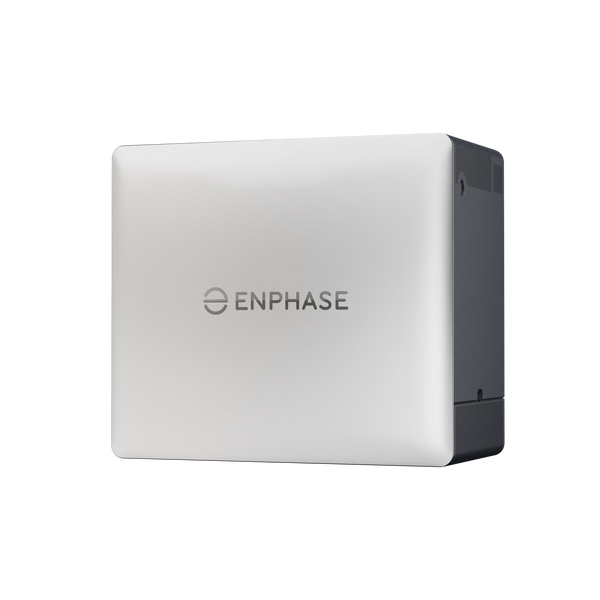
SKUIQBATTERY-10C-1P-NA
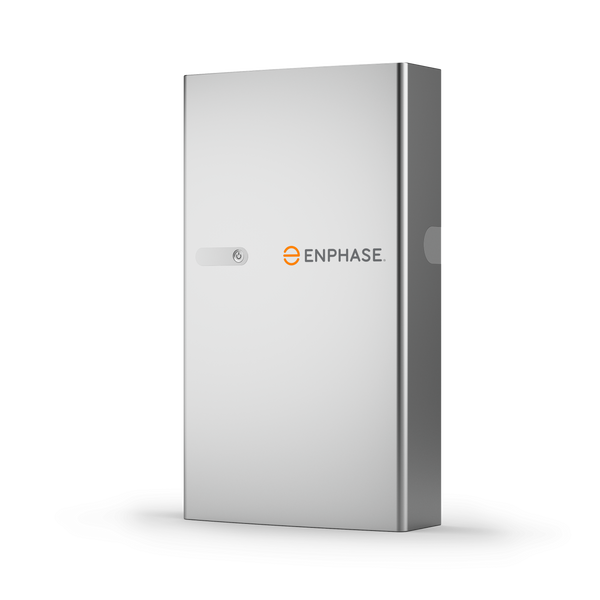
Enphase IQ Battery 10C 10kWh AC-Coupled LFP Battery – IQBATTERY-10C-1P-NA
$8,974.09
Available to order
Shipping calculated at checkout
Equipment bundles
Solar, inverter and battery
Get one hour of personalized help with equipment selection, system questions, commissioning, or troubleshooting. Purchase your session, then use the scheduling link provided after checkout to choose an appointment.

These are lithium iron phosphate (LiFePO4, or LFP) batteries for solar storage, home backup, and off-grid power. Match the battery to your inverter or system type first, not the brand: a 48V battery inverter or hybrid, a high-voltage hybrid, and an Enphase IQ system each need a different kind of battery.
For a bank sized to your loads and inverter, request a written quote or send a battery backup system quote request. Include your inverter model (or the system you plan to build), the circuits you want to run, and how many hours of backup you need.
Yes. The lithium batteries we list for solar storage use lithium iron phosphate (LFP) cells. Other lithium-ion chemistries such as NMC and LCO are more common in electric vehicles, tools, and consumer electronics. Always confirm chemistry and charge settings on the product page.
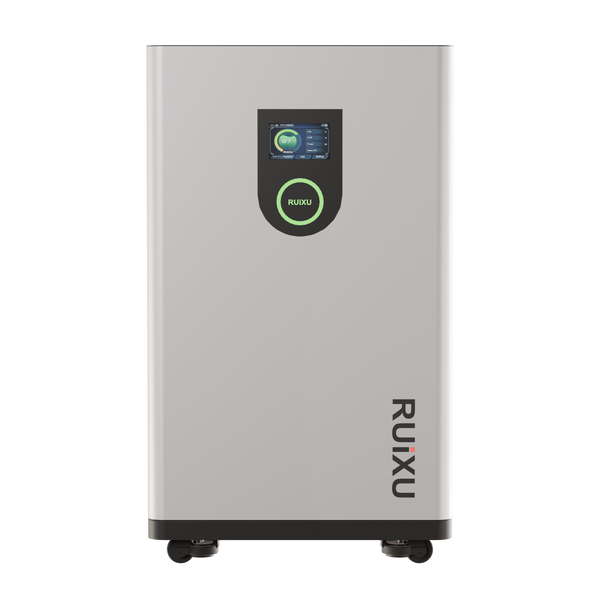
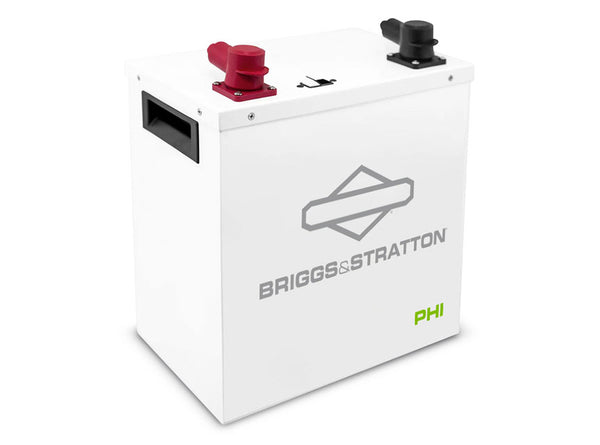
Low-voltage batteries such as the UZ Energy, RUiXU, SimpliPHI and PHI 48V models run at about 51.2V and connect to 48V battery inverters; confirm the inverter is on the battery maker's compatibility list, or ask our team through the site. High-voltage batteries such as the GoodWe Lynx Home FH-US stack modules in series, from 192V with three modules to 384V with six, and need an inverter built for that battery. The two are not interchangeable.
SimpliPHI and PHI packs are DC-coupled: they sit on a 24V or 48V DC bus with a hybrid or inverter/charger. Enphase IQ Batteries are AC-coupled: each complete battery has built-in microinverters and works within an Enphase IQ system. Both use LFP cells. Pick the one that fits the system you have or plan to build. The IQ Battery 5P and IQ Battery 10C use different Enphase system equipment and are not meant to be mixed.
No. Match pack voltage to the inverter or charger bus, and parallel only identical, same-age modules the manufacturer allows.
Often not for the main array, since many hybrids include MPPT charging. Add a standalone charge controller when you DC-couple a second array or run a classic charge controller plus inverter/charger setup.
It depends on the battery. Many LFP batteries should not be charged below freezing; the PHI 3.8-M pages say not to charge below 32°F, which can void the warranty. The RUiXU Lithi2-16 has a built-in heater so it can charge in cold weather. Check each battery's spec sheet for its charging temperature range rather than assuming they are the same.
Yes. Share your critical loads in watts, the hours of backup you want, and your inverter model. Request a written quote or send a battery backup system quote request.
LiFePO4 lithium solar batteries: 48V-class cabinets and packs, 24V PHI, GoodWe Lynx high-voltage modules, and Enphase AC-coupled IQ Batteries. Compare all chemistries on solar batteries.