
altE
Cable & Wiring
Solar cable and wiring connect panels, combiners, inverters, batteries, and disconnects into a safe, code-ready power path. Shoppers land here for PV interconnects, battery cables, microinverter trunk cables, and cable management — then pair wiring with solar panels, inverters, and mounts.
Read more about Cable & Wiring
In stock now: 10 AWG PV cables with MC4 (15′–100′), 4/0 AWG battery cables (96″ red/black with 3/8″ lugs), Enphase Q trunk cables and Q-cable accessories, Tigo TS4-A-2F module-level rapid shutdown, plus Heyco cordgrips and SunRunner PV cable clips. Available cable and wiring change over time; request a written quote for a specific gauge or length, or a full interconnect bill of materials.
PV string wiring vs battery cables vs microinverter Q cables
- PV / array wiring — UV-rated PV wire and MC4 interconnects run from modules to a combiner or inverter input. Length and AWG matter for voltage drop and ampacity; MC4 polarity must stay correct when you series or parallel strings.
- Battery interconnects — short, heavy cables (often 4/0 AWG) link battery modules to each other and to the inverter or charge controller DC bus. Lug size and polarity are critical; undersized battery cable is a common DIY failure.
- Enphase Q trunk cables — AC trunk cables that daisy-chain IQ micros under the array. Landscape vs portrait spacing and cell count (60/72) must match your module layout; terminators and seals finish unused drops.
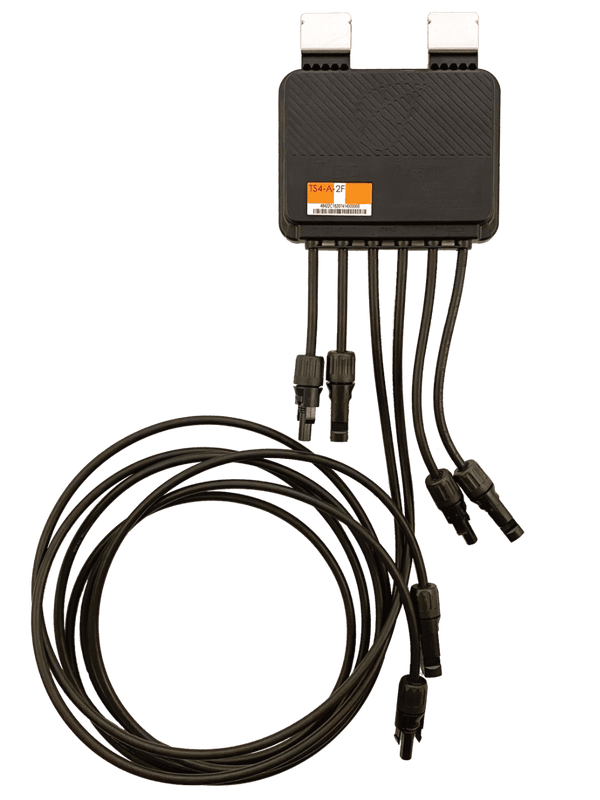
- Rapid shutdown / module electronics — devices such as Tigo TS4-A-2F add module-level fire protection and NEC rapid-shutdown capability while keeping MC4-compatible leads.
- Cable management — clips, cordgrips, and unlocking tools keep PV leads off roofs and rails, protect penetrations, and make service safer.
Use this page to compare cable and wiring options, and confirm the right interconnect set with a technician: Book a Technical Support Call — $99.00.
What to buy with the wiring
- Solar panels — module count and string voltage drive PV wire length and MC4 count.
- Solar panel mounts — rails and clamps where cable clips and home-runs land.
- Solar inverters — string, hybrid, micro, and off-grid platforms that set DC or AC interconnect needs.
- Hybrid inverters — when you need grid-tie plus battery (for example the Solis 16kW Hybrid).
- Solar batteries — bank voltage and bus layout drive battery cable gauge and lug choice.
- Charge controllers — MPPT/PWM when the array DC-couples to a battery bank.
Shop related gear
- Solar panels — modules and pallets to size with your interconnects
- Solar panel mounts — roof and ground racking where PV cables run
- Metal roof mounts — S-5! paths when penetrations and cable routes differ
- Solar inverters — match inverter type to string, hybrid, or micro wiring
- Hybrid inverters — grid + battery platforms
- Solar batteries — LiFePO4 and deep-cycle storage for DC cabling
- Charge controllers — MPPT vs PWM guidance
- Monitoring & control — gateways and system monitors that need communication cables
- Off-grid home solar systems — kits that package major power-path components
- Solar power systems — broader kit and system browse
FAQ
What gauge PV cable do I need?
Most residential string runs use 10 AWG UV-rated PV wire with MC4 ends when ampacity and voltage drop allow. Longer home-runs, higher current strings, or special inverter inputs may need a different AWG. For a voltage-drop check with your string current, one-way length and inverter model: Book a Technical Support Call — $99.00.
Can I cut the MC4 leads off my solar panels?
No — cutting factory module leads can void the warranty and leave you with a harder, less reliable connection. Use MC4 extension cables or properly assembled PV interconnects between modules and the combiner or inverter.
How are battery cables different from PV wire?
Battery cables are short, heavy, flexible conductors sized for high DC current between batteries and the inverter or controller. PV wire is UV-rated for array exposure and typically smaller gauge for string current. Mixing the two roles is unsafe — buy each for its job.
Which Enphase Q trunk cable do I need?
Match landscape vs portrait orientation and 60-cell vs 72-cell module spacing to the Q cable part number. Use terminators on cable ends and seals on unused connectors. If you are unsure, review your module model and row layout with a technician: Book a Technical Support Call — $99.00.
Do I need rapid shutdown hardware?
Many dwelling rooftop PV systems must meet NEC rapid-shutdown rules. Module-level devices such as Tigo TS4-A-2F or microinverter architectures can satisfy the requirement depending on AHJ and equipment. Confirm with your local inspector and review the inverter/micro plan with a technician before ordering: Book a Technical Support Call — $99.00.
When should I ask for a wiring bill of materials?
Request a written quote when you need a complete interconnect list rather than piece-part shopping. For string vs micro layouts, battery bus cable sets, Enphase Q trunk counts or combiner/home-run planning: Book a Technical Support Call — $99.00.
Questions about solar cables, battery wiring, or interconnects? Book a Technical Support Call — $99.00 for one hour of personalized help. altE has served DIY and pro installers since 1999.
Solar cables and wiring connect PV modules, batteries, inverters, and disconnects so your renewable energy system is safe and code-ready.
Need help choosing wiring?
- Match interconnect type first (PV MC4, battery cable, or Enphase Q trunk), then length and gauge.
- Browse solar panels and mounts to complete the array path.
- See solar power systems and off-grid home kits when you want packaged components.
- More DIY guides: DIY Solar Resources Library.
- Request a written quote for an interconnect bill of materials.
- HeycoSKUM3234GBR-SM
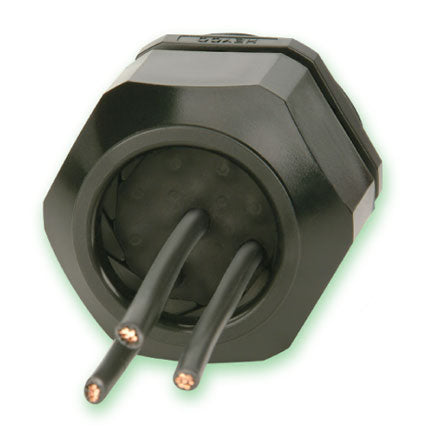
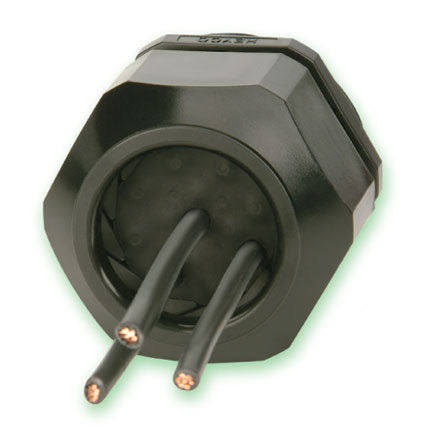
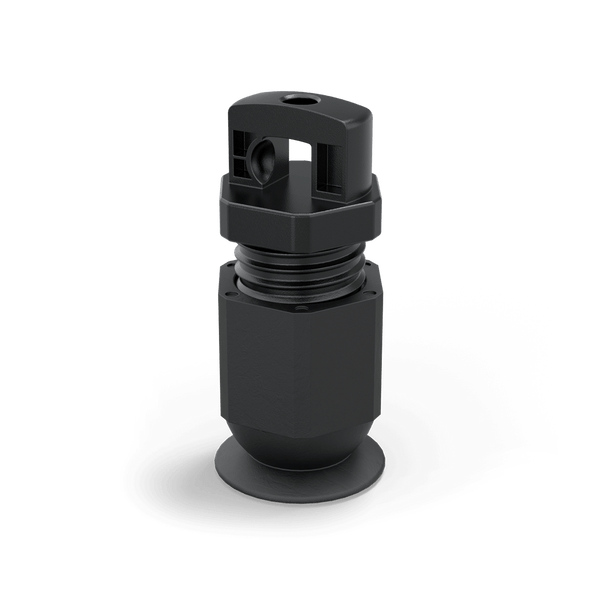
Heyco-Tite Liquid Tight Cordgrip for PV Cable, 5-Hole, 3/4" NPT – M3234GBR-SM
$5.28Available to order Shipping calculated at checkout - HeycoSKUM3234GDA-SM
Heyco-Tite Liquid Tight Cordgrip for Enphase Q Cable, 3/4" NPT – M3234GDA-SM
$5.28Available to order Shipping calculated at checkout - EnphaseSKUB10C-NC-0708-O
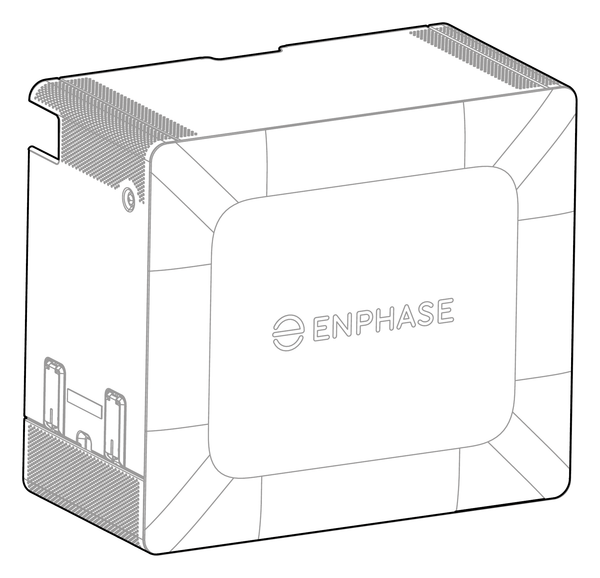
Enphase IQ Battery 10C Cover Kit with Interconnect Cables – B10C-NC-0708-O
$729.16Available to order Shipping calculated at checkout - AltE Store
Heyco Tite Liquid Tight Cordgrips for PV Cables
$6.88Available to order Shipping calculated at checkout - PV Cables
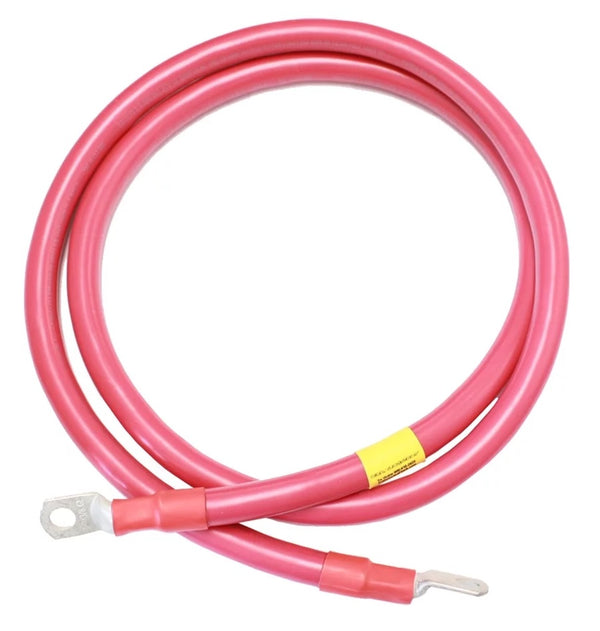
4/0 AWG Red Battery Cable with Red Heatshrink, 96", 3/8 Lug
$65.51Available to order Shipping calculated at checkout - PV Cables
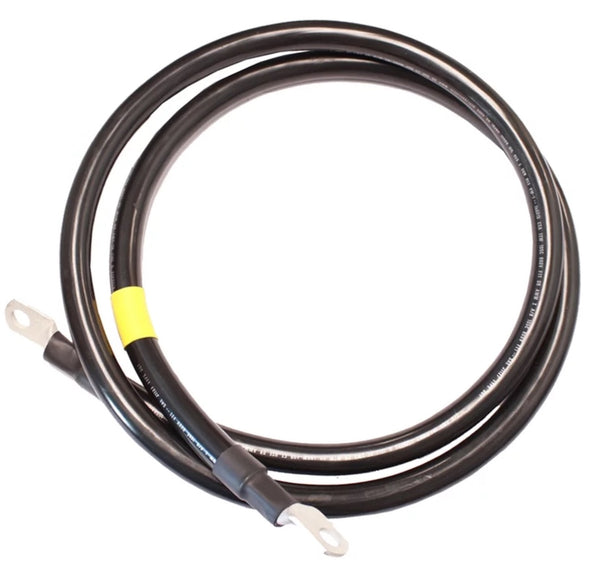
4/0 AWG Black Battery Cable with Black Heatshrink, 96", 3/8 Lug
$65.51Available to order Shipping calculated at checkout - AltE Store
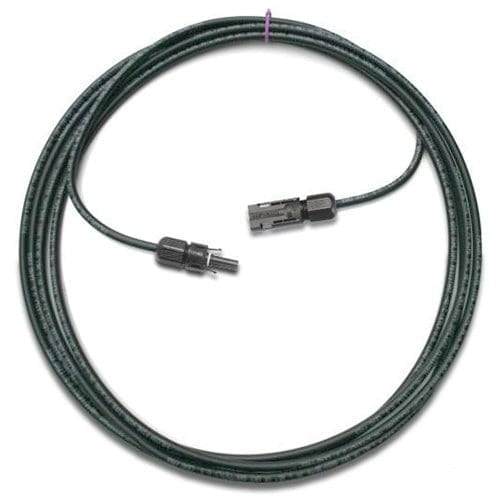
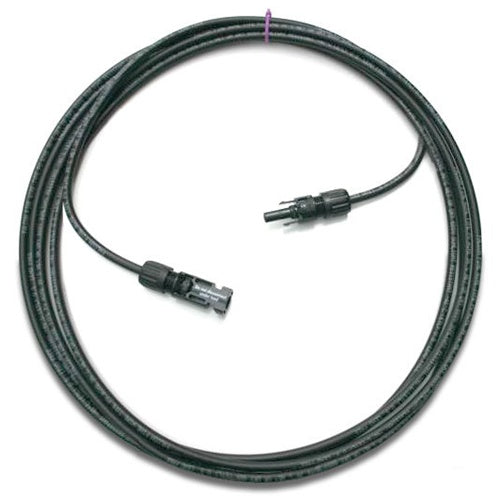
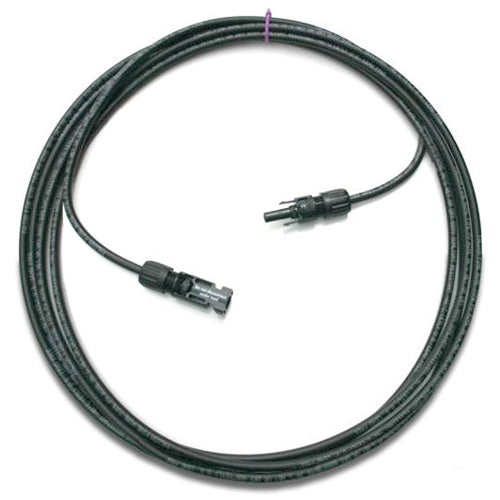
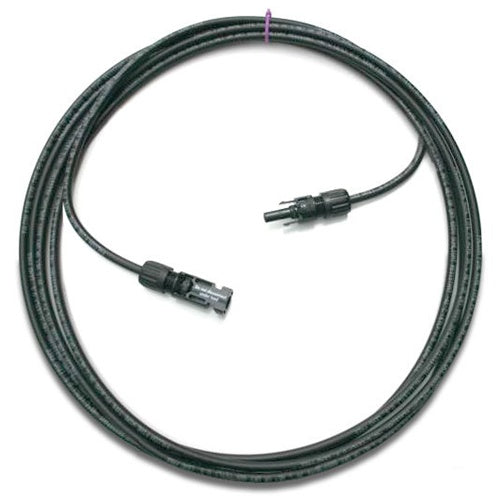
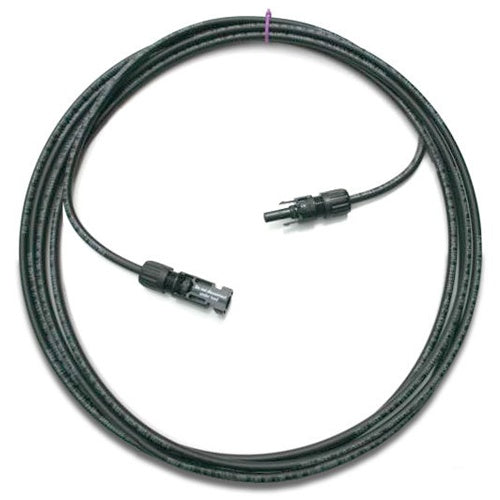
PV Cable 15', MC4, 10AWG
$15.30Available to order Shipping calculated at checkout - AltE Store
PV Cable 30', MC4, 10AWG
$24.47Available to order Shipping calculated at checkout - AltE Store
PV Cable 60', MC4, 10AWG
$46.11Available to order Shipping calculated at checkout - AltE Store
PV Cable 100', MC4, 10AWG
$62.78Available to order Shipping calculated at checkout - TigoSKUTS4-A-2F
Tigo TS4-A-2F Module-Level Fire Safety with Rapid Shutdown, 2.2m MC4 Cables
$63.66Available to order Shipping calculated at checkout - HeycoSKUS6405
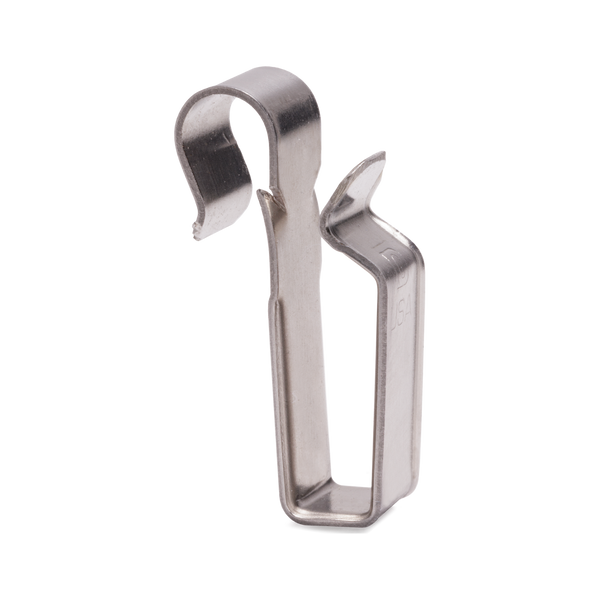
Heyco SunRunner PV Cable Clips for 1–2 Cables, 304 Stainless, Pack of 100 – S6405
$40.00Available to order Shipping calculated at checkout - Enphase EnergySKUQ-12-20-200
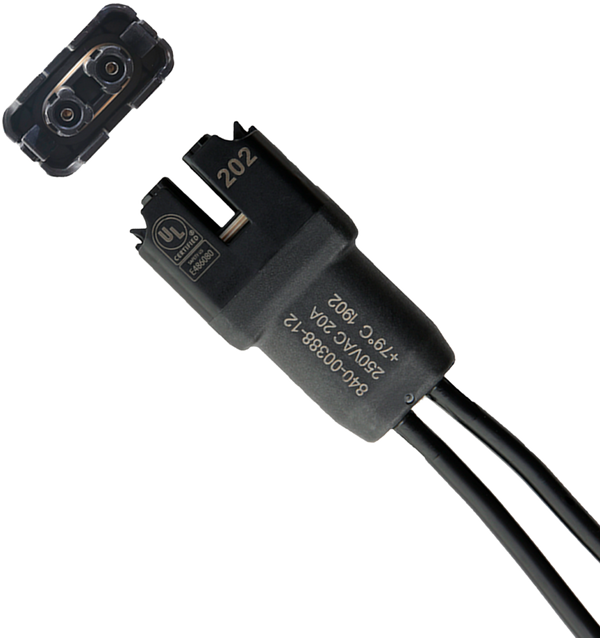
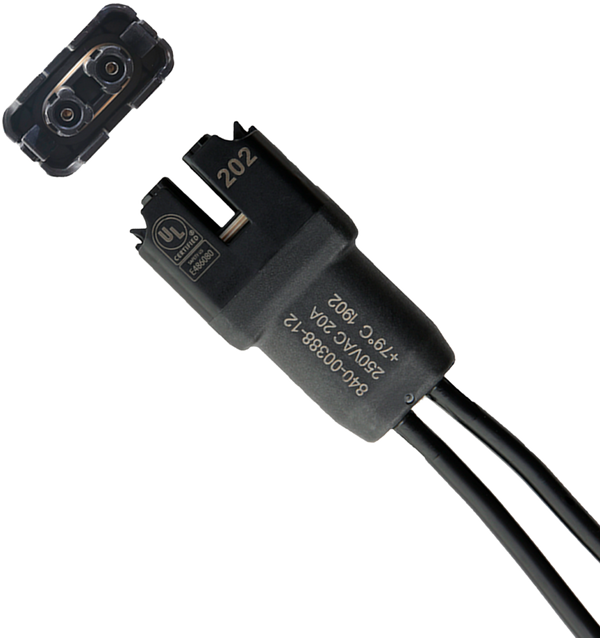
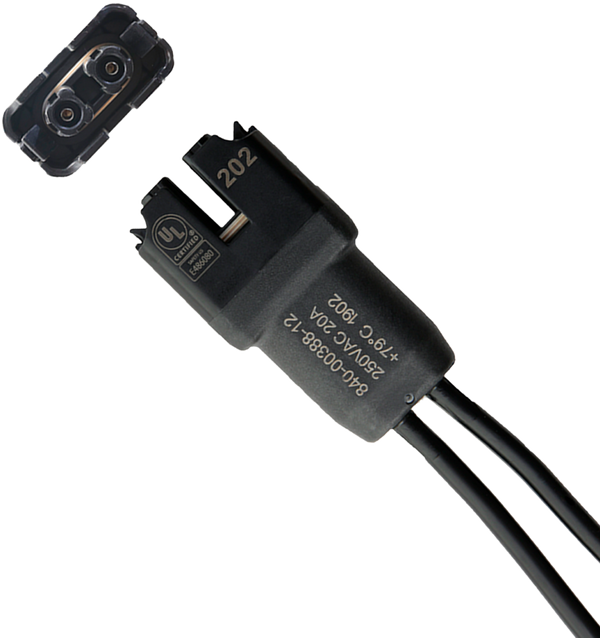
Enphase IQ Cable Single Connection, 12 AWG, 2.3 m (7.5 ft) Connector Spacing – Q-12-20-200
$48.40Available to order Shipping calculated at checkout - Enphase EnergySKUQ-12-17-240
Enphase IQ Cable Single Connection, 12 AWG, 2.0 m (6.5 ft) Connector Spacing – Q-12-17-240
$26.23Available to order Shipping calculated at checkout - Enphase EnergySKUQ-12-10-240
Enphase IQ Cable Single Connection, 12 AWG, 1.3 m (4.2 ft) Connector Spacing – Q-12-10-240
$22.29Available to order Shipping calculated at checkout - Enphase EnergySKUQ-CLIP-100
Enphase IQ Cable Clips, Pack of 100 – Q-CLIP-100
$47.36Available to order Shipping calculated at checkout - Enphase EnergySKUQ-DISC-10
Enphase IQ Disconnect Tool, Pack of 10 – Q-DISC-10
$4.21Available to order Shipping calculated at checkout - Enphase EnergySKUQ-TERM-10
Enphase IQ Terminator Cap for Cable Ends – Q-TERM-10
$25.70Available to order Shipping calculated at checkout - Enphase EnergySKUQ-SEAL-10
Enphase IQ Sealing Cap, Female – Q-SEAL-10
$6.25Available to order Shipping calculated at checkout - Enphase EnergySKUCTRL-SC3-NA-01
Enphase Control Cable for Wired Communication – CTRL-SC3-NA-01
$593.40Available to order Shipping calculated at checkout


More Info on Cables & Wiring
For a more complete description of wiring sizing, check the following references:
- Wiring Mismatched Solar Panels in Series and Parallel
- How To: Wiring Solar Panels in Parallel with Couplers
Wiring Your Solar Power System
Most solar modules are now manufactured with Multi-contact Solarline connectors, (MC connectors, for short) which make for an easy Series connection. Connecting solar modules together in Parallel can be easy as well, if you have the right products. MC connectors provide a connection between the solar modules and combiner / pass-through boxes. The proper length of your MC connector will be about double the distance between the solar array and the combiner box. Simply plug the MC connector into the leads of the solar module, cut the connector in half, and then run the bare ends of the connector to the combiner box. Do not cut the MC leads from your solar panel! This may void the manufacturer's warranty.
Solar Cables and Solar Wiring
altE offers several specialty wiring components to help complete your system. Battery interconnect cables and battery-to-inverter cables are necessary for any system with batteries. We also offer cable and wire tools if you would like to make your own battery cables. In addition to wiring between solar modules, between batteries, and between the battery bank and inverter, you will also need wiring from the combiner box to the battery bank — sometimes known as the home-run. Because wire is available in most locations, the wire size needed can vary, and wire tends to be heavy and expensive to ship, we tend not to sell it by the foot.
Finally, grounding your system is a critical aspect of installing a safe renewable energy system. For any solar electric system on a dwelling, you will need grounding lugs with set screws per module to meet NEC requirements for connecting a continuous ground wire to all modules in an array and having the ability to remove a module without breaking grounding continuity for the rest of the array. If you are unsure how to properly ground your system, please consult a licensed electrician as well as the manufacturer guidelines.
Do you have questions about wiring your solar panels or about cables and wiring? Book a Technical Support Call — $99.00 for one hour of personalized help.