Solar Panels

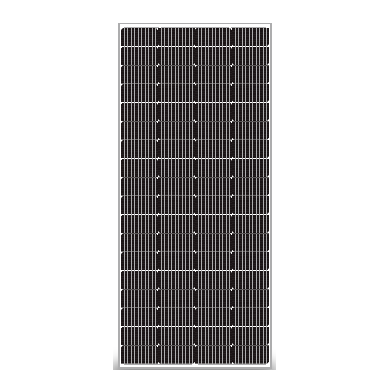
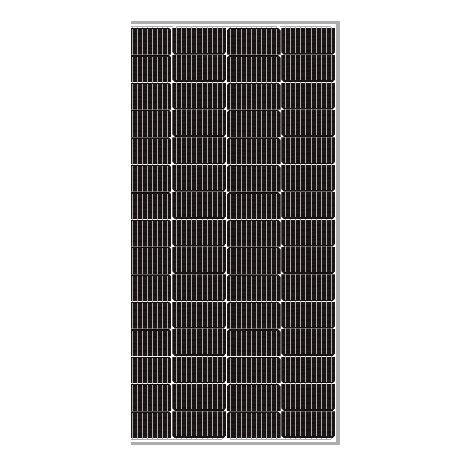
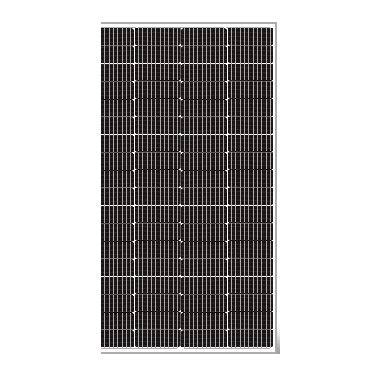
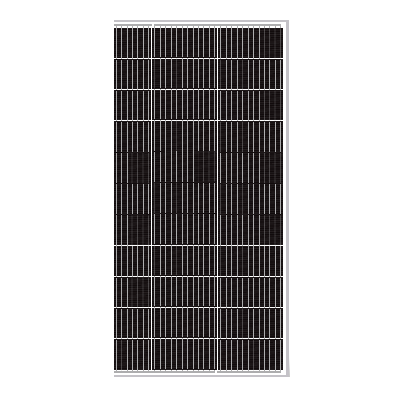
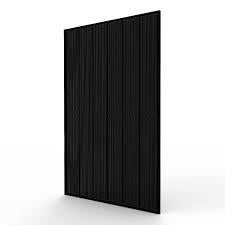
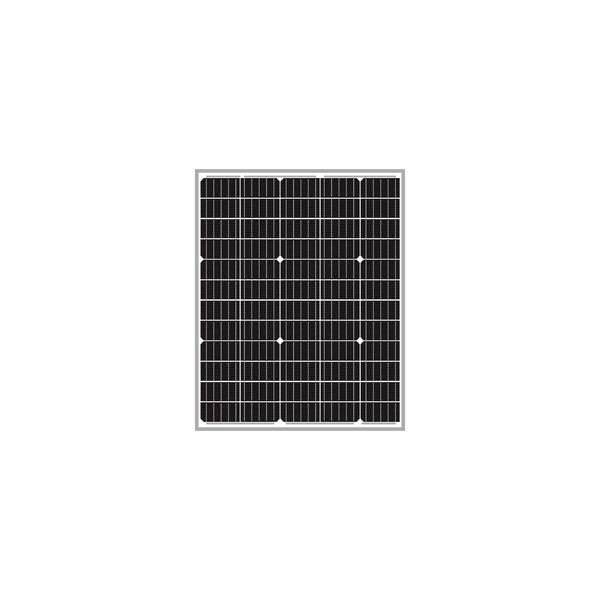
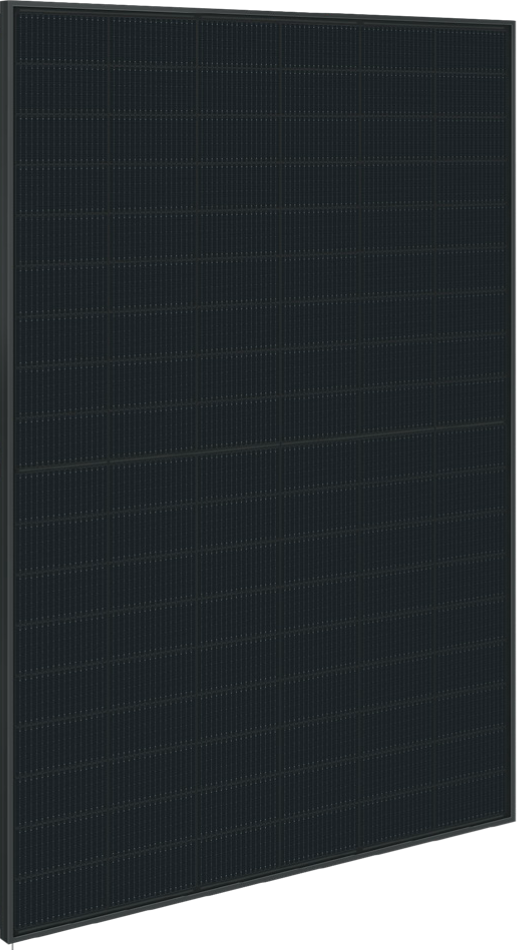
Solar panels turn sunlight into DC power. For home roof and ground arrays, choose 440W bifacial Hyundai or SunPro modules, single or by the pallet. For RVs, cabins and 12V/24V battery systems, choose SLD Tech 50W to 255W panels.

Read more about Solar Panels

Need a wattage we don't list, or a full pallet freight quote? Request a written quote.

17 products

Which solar panel fits your system?

  • Home grid-tie or hybrid array: 440W modules are the usual choice. Buy single modules for a small array, a replacement or a test fit; buy a pallet when the string plan is set and you want one freight shipment.
  • 12V or 24V battery bank (RV, van, cabin, shed): smaller SLD Tech panels match low-voltage charge controllers and tight mounting space. Match panel voltage to the battery bank and controller.
  • Hazardous locations (oil and gas, industrial): choose a Class I Division 2 model and confirm the listing on the product page before you order for a classified site.

Check these specs before you order

  • Voc and cold weather: open-circuit voltage rises as temperature drops. Panels in series must stay under your inverter's or charge controller's maximum input voltage on the coldest morning.
  • Vmp and MPPT window: string voltage at maximum power should sit inside the inverter's or controller's MPPT range.
  • Current (Isc) and microinverters: with microinverters, match module wattage and current to the micro's rated input. Each micro's product page lists its module range.
  • Size and frame: confirm module dimensions and frame thickness against your racking clamps.

Each product page lists the module's electrical specs and dimensions.

What to buy with your panels

Solar panel FAQ

How many solar panels do I need?

Start from your daily kWh use (or just your critical loads), then divide by what one panel produces per day at your location. The grid-tied sizing calculator and the off-grid sizing calculator do the math.

Should I buy a pallet or single modules?

Single modules suit small arrays, replacements and proving a design. A pallet makes sense when you already know the string plan for a full roof or ground array.

What does bifacial mean?

A bifacial module can also collect light that reaches its back side, such as light reflected off a light-colored roof or the ground. The gain depends on mounting height and the surface below, so size your system on the front-side rating.

Do I need a charge controller?

With a hybrid inverter, usually not: most have built-in MPPT inputs for the array. A separate charge controller is typical when panels charge a battery bank directly, as in most RV, van and cabin systems. Match panel Voc and current to the controller's input limits.

Is there still a federal tax credit for home solar?

The federal Residential Clean Energy Credit (section 25D) doesn't apply to expenditures made after December 31, 2025. The IRS treats an expenditure as made when installation is completed, so a system finished in 2026 or later doesn't qualify, even if it was paid for earlier (IRS details). Check DSIRE for state and utility incentives, and confirm eligibility with your tax advisor.

When should I ask for help instead of ordering online?

Request a written quote for pallet freight, Class I Division 2 projects or a wattage we don't list. For a design review, book an hour of expert solar technical support.
More about home solar panels

10 reasons to install solar panels

  1. Lower electric bills. Every kWh your panels make is a kWh you don't buy from the utility.
  2. Credit for surplus power. Where your utility offers net metering or a similar export credit, power you send to the grid earns a bill credit. Rules vary by utility and state.
  3. Low maintenance. Panels have no moving parts and need no fuel. Inspect them now and then and clean off heavy dirt or snow.
  4. Long service life. Modules are built to run outdoors for many years; see each product page for its warranty.
  5. No emissions while running. Panels produce electricity without fuel, noise or exhaust.
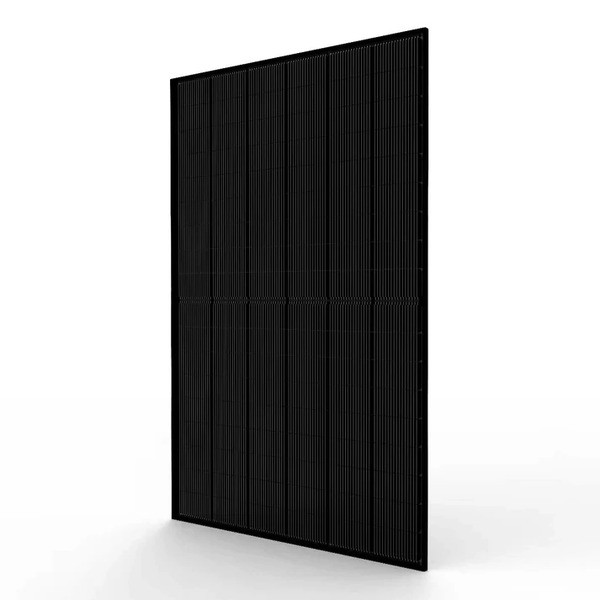
  6. Clean look. Full-black modules blend into dark roofs.
  7. Scales to your needs. Start with a few panels and add more, within your inverter's limits.
  8. Backup with a battery. Paired with a hybrid inverter and battery, solar can keep critical loads running in an outage.
  9. Power where there's no grid. Cabins, RVs, boats and remote sites can run on panels, a charge controller and a battery bank. See off-grid solar systems.
  10. Support when you need it. altE has helped DIY and professional installers since 1999. Browse the DIY Solar Resources Library or request a written quote.