Top Six Reasons to do a Ground Mount vs. Roof Mount

Ben Farmer's Ground Mounted Solar Array

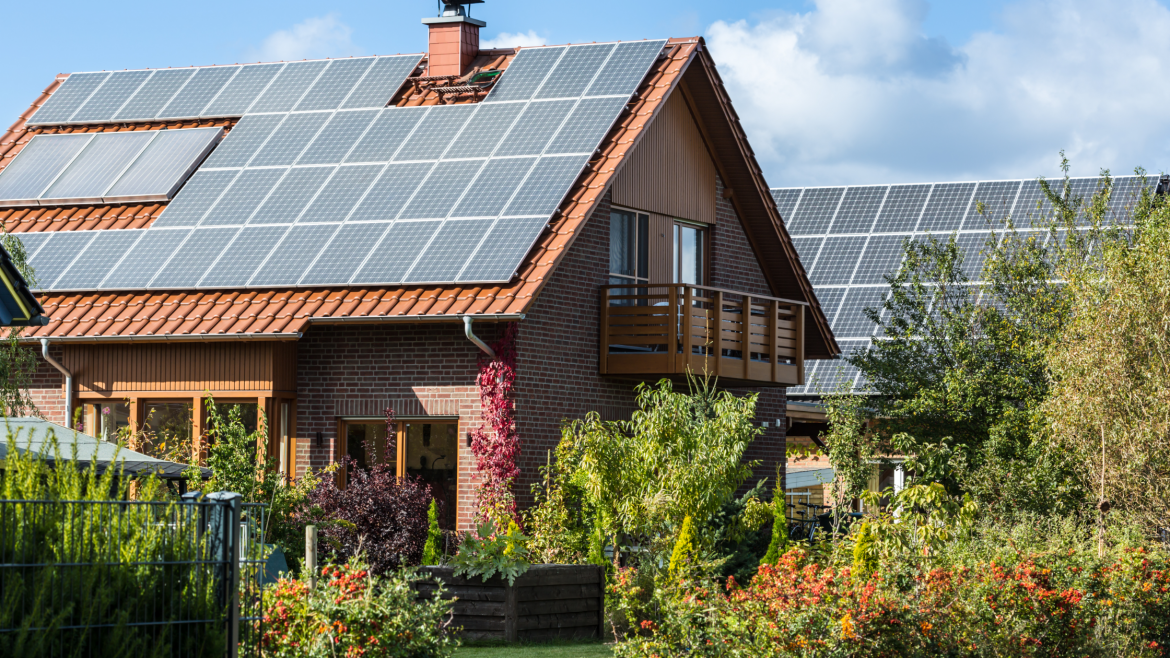
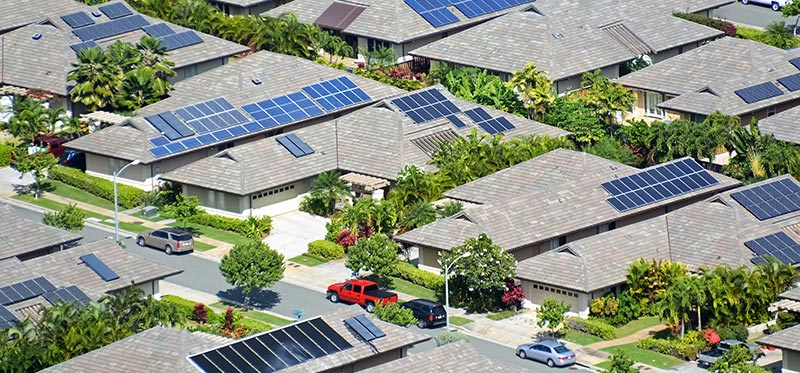
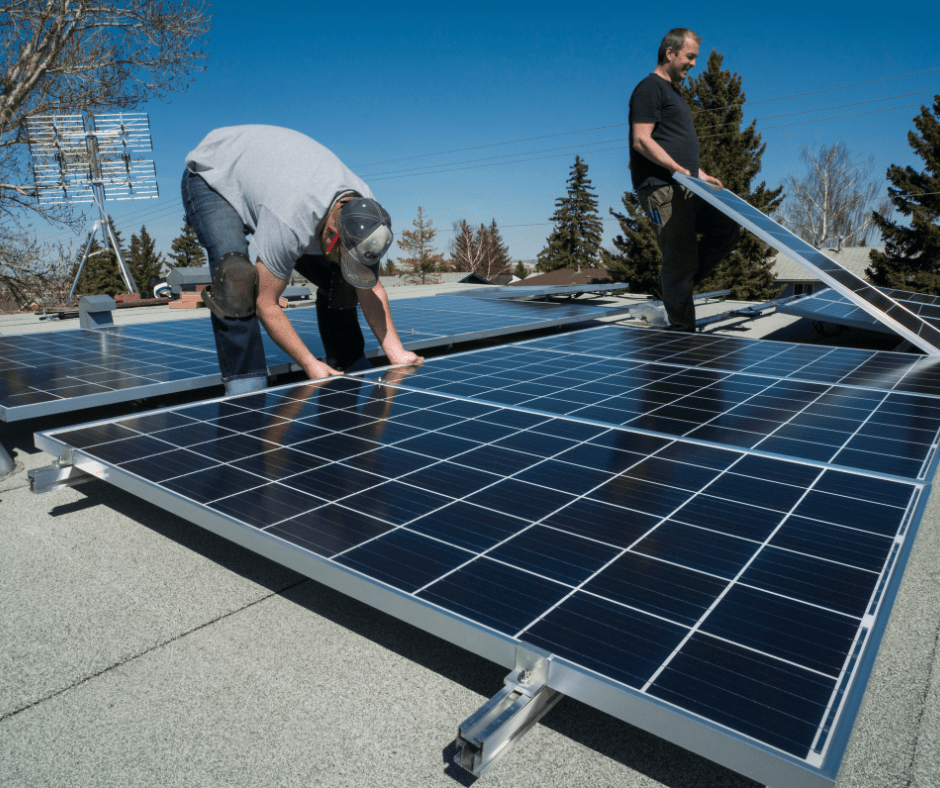
Most of the PV installs people see in their community happen to be placed on top of a home’s roof. While this is aesthetically pleasing, space saving on the property and out of the way from people’s hands there are a few drawbacks to this method, which I have outlined below. Continue reading

Posted in Getting Started - DIY Tips & Information, Solar Energy, Solar Panels | Leave a comment

I want to get a wind turbine and install it on my roof. Is that possible?

It is possible. However, anyone who is thinking of going down that road would do well to keep some things in mind:
Continue reading

Posted in Uncategorized | Leave a comment

Top 10 Reasons to Attend the 2012 altE Installer and Dealer Conference

The altE 2012 Installer and Dealer Conference is right around the corner.  The conference, being held on February 28 & 29, 2012,  provides installers an opportunity to see new products and talk directly with some of the industry’s leading Vendors and Manufacturers in the Exhibit / Trade Show area. In addition, installers can attend numerous breakout seminars featuring detailed product demonstrations, classroom training and valuable information on how to grow your business.  The $149 registration fee includes admission to the trade show and exhibit hall, all seminars and workshops, evening reception, as well as all breakfasts and lunches during the event.
Continue reading

Posted in Renewable Energy, Solar Energy, Solar Industry News | Leave a comment

Solar Water Pumping: Do I really need a control box?

When helping people design a solar-powered water pumping system, I often get asked the question, why do I need a control box? A control box is one more thing to hook up in a system and it’s an added expense, so isn’t there a way around it?The short answer is yes. Most pumps will work without a control box. But here’s the rub – if you want your pump to run better, for more hours in the day, if you want to use a float switch, and if you want to protect your pump from voltage and current spikes, then a control box is an excellent addition to your system.

Continue reading

Posted in Uncategorized | Leave a comment

Investing in a 401k is Dumb, Investing in 4.01kW of Solar is Smart, Part II

Last time I wrote about how from an investment standpoint putting your money into a solar electric systemfor your home is far less risky and better assured returns than putting that same amount of money into a 401k (or nearly any stock market investment). That’s just smart. Now for something smarter.If you live in climate where you need to heat your home a good part of the year, there’s even a smarter investment – solar air heating.

Posted in Getting Started - DIY Tips & Information, Renewable Energy, Solar Air Heating | Leave a comment

Solar Backup Power Saves Many From October’s Snowstorm in the NorthEast

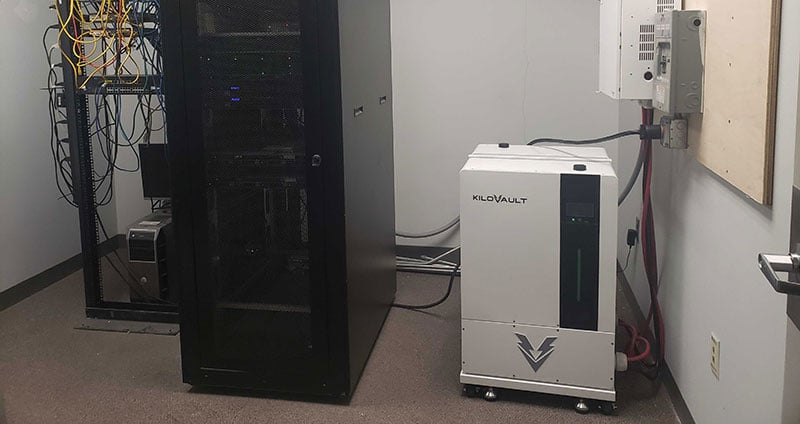
The freak October snow storm that knocked out power to hundreds of thousands of people in the northeast was a rude awakening that winter is upon us, and that losing power in the colder seasons is quite uncomfortable to say the least. But, it is also a reminder how people who had invested in solar electric systems with battery banks are the fortunate ones to weather the outage and likely do so without even a blink in their lights. But not everyone with solar panels on their home would’ve been spared from this power outage…
Continue reading

Posted in Getting Started - DIY Tips & Information, Solar Energy, Solar Panels | Leave a comment

New Micro-Inverter Technology for 2012

As a Product Manager here at altE, I recently had the opportunity to attend an Enphase training and chat with their reps regarding their plans for new products in 2012. Enphase Energy has become the first company to successfully manufacture, market, and sell the “micro-inverter”. For the past three years they have modified and changed their hardware numerous times in an effort to streamline the micro-inverter system.

If you’re not familiar with the Enphase micro-inverter and why it is special, here is a quick run down. In the past, grid-tied solar electric systems (also known as photovoltaic or PV systems) have had the same general layout. The system has a single DC to AC inverter, which converts the DC voltage being generated by the solar modules to AC voltage that is fed back into the power grid. The micro-inverter changes this layout, by attaching a small inverter near each solar module (generally they are attached to the module racking system). The micro-inverter’s attachment cables connect to the solar module and it converts the DC voltage being generated to AC voltage right there at the module. The AC output can be combined with the outputs of other modules into a single circuit and fed back to the power grid.
Continue reading

Posted in Getting Started - DIY Tips & Information, Solar Industry News | 5 Comments

Energy Efficiency Solutions for your Home

Whether you are looking to install an entire home solar panel system or are just looking to get started in renewable and alternative energy solutions, there are no shortage of ways you can start making your home more energy efficient today.

As a graphic designer here at altE and a very visual person, I decided to create a one-page infographic as a simple guide on some of the more common energy and money saving solutions available to homeowners today.

You can view the full sized infographic here: Energy Efficiency Solutions for your Home

Already think your house is energy efficient? Are you already utilizing many of the solutions shown in the infographic? We also have a more in-depth article on the various, additional ways to save energy. You can find the article here: Energy Efficiency and Your Home.
Continue reading

Posted in Getting Started - DIY Tips & Information, Renewable Energy | 1 Comment

Going Solar, All In or One Panel at a Time?

When purchasing a home, many people will look for something with ample room, while others will go for a smaller house that has the potential to be expanded. Both of these very same approaches can apply when customers are looking to purchase a solar electric system. Let’s take a look at some of the pros and cons of each.

As a sales representative at altE, I receive many inquiries from customers who are interested in purchasing a solar electric system with available room for future expansion. Essentially, they want a small solar panel array coupled with an inverter (for grid-tied systems) or charge controller (for off-grid or grid-tie with battery backup systems) that can handle a larger array in the future. Typically they are looking to expand their array anywhere from 25% to 100% and beyond, at some point down the road. There are several factors to consider when taking this approach, rather than purchasing a larger system to begin with.
Continue reading

Posted in Getting Started - DIY Tips & Information, Solar Energy, Solar Panels | 1 Comment

Myths about PV – Solar Doesn’t Work in Northern Climates

This is absolutely not true! PV is deployed on every continent on the globe and will work anywhere that is not subjected to extensive shading. While some regions are fortunate enough to have more sun exposure on average than others, any location that allows sunlight to reach the surface of a PV module will enable it to generate clean, quiet power.

We often describe the solar resource of a given location as “insolation.” Insolation is the amount of energy hitting a defined spot, typically over the course of an average day for that spot. The unit of measure that is most often used to describe the insolation of a place is hours of “peak sun.” This is not to be confused with hours that the sun is shining during the day! Insolation maps can be found online that will show the hours of peak sun per day across the area that the map depicts. Some maps will show annual average daily resource while others will show the expected daily average for a given season since the resource changes as the seasons change.

Continue reading

Posted in Solar Energy, Solar Facts & Figures, Solar Panels | Leave a comment