Sol-Ark
SKU18K-2P-N
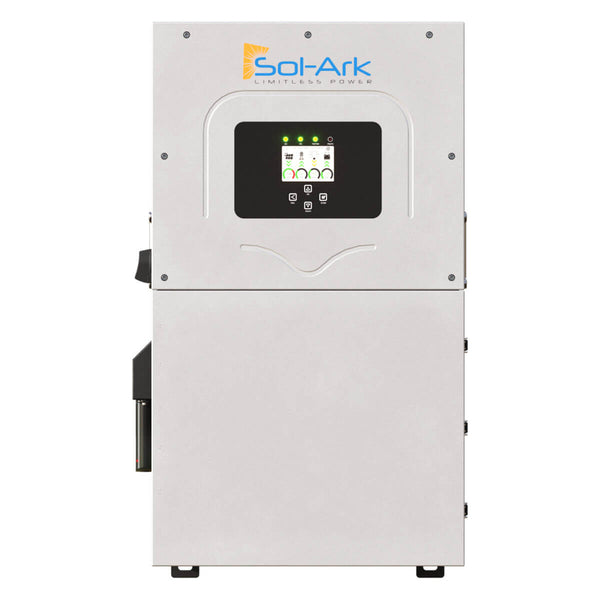
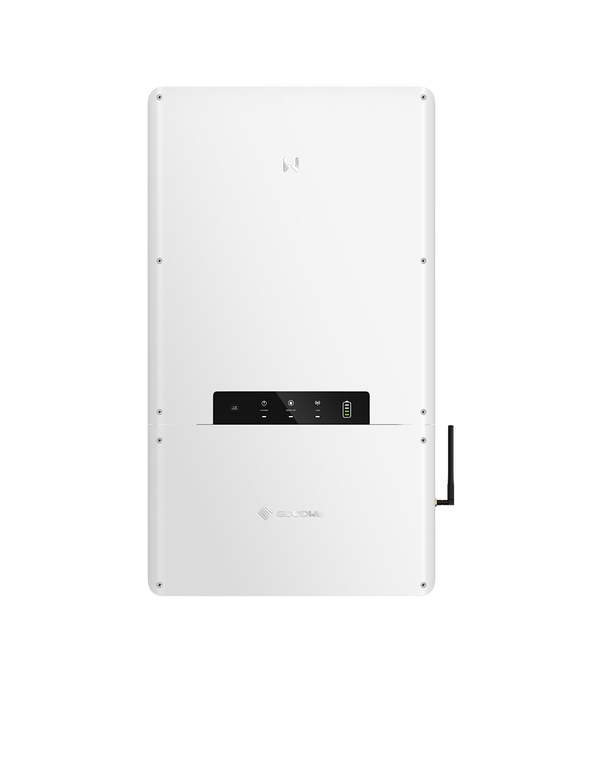
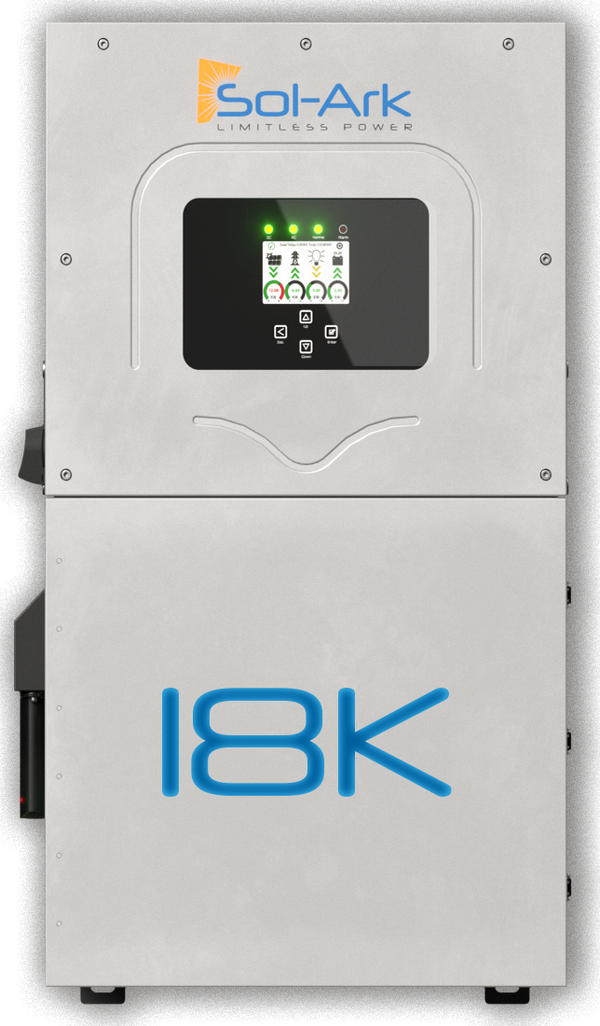
Sol-Ark 18K Hybrid All-in-One Inverter – 18K-2P-N
$8,949.70
Available to order
Shipping calculated at checkout
Equipment bundles
Solar, inverter and battery
Get one hour of personalized help with equipment selection, system questions, commissioning, or troubleshooting. Purchase your session, then use the scheduling link provided after checkout to choose an appointment.

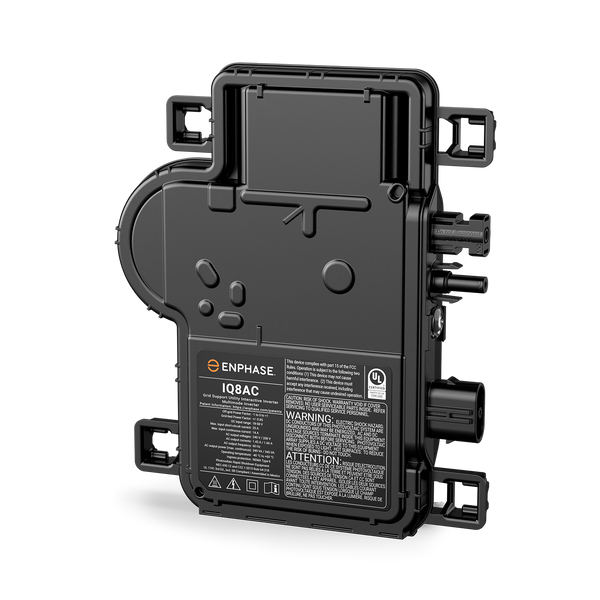
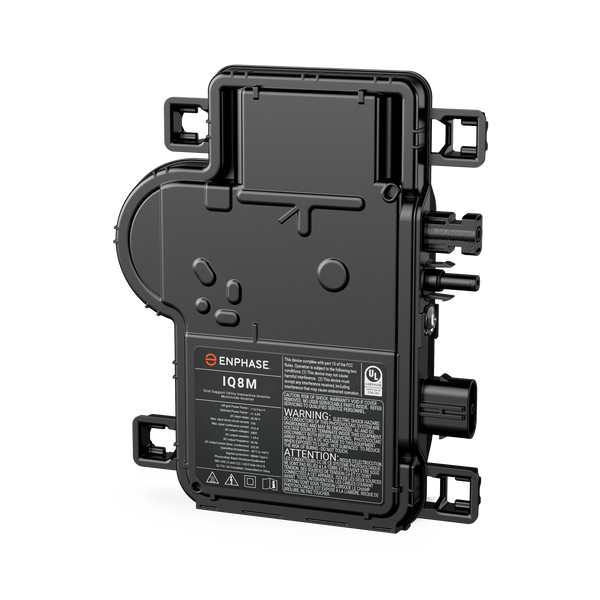
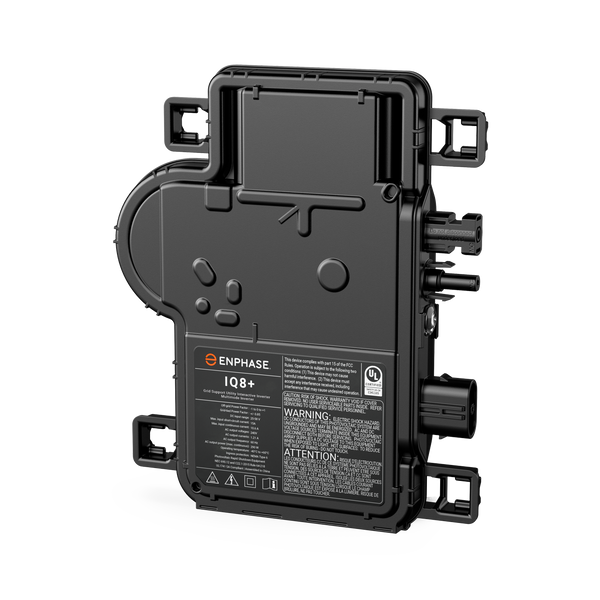
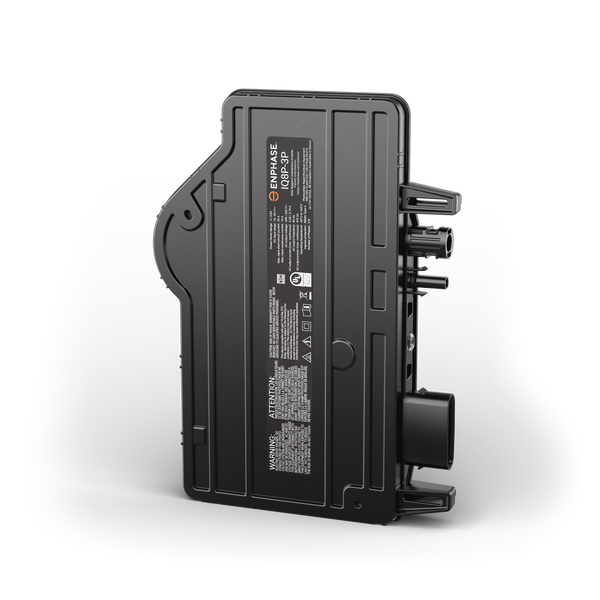
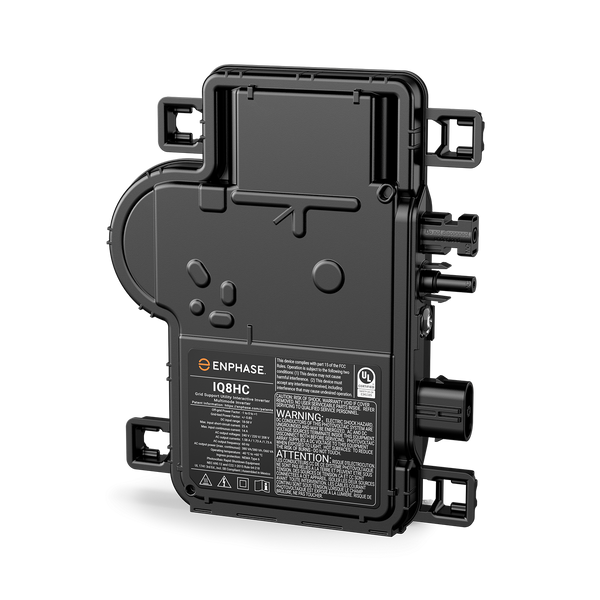
Grid-tie inverters turn solar DC into utility-synced AC to offset your bill. Choose Enphase IQ8 microinverters for panel-level AC (backup adds an Enphase IQ Battery and its backup hardware) or a hybrid inverter for string-array battery backup.
Need a string inverter we don't list, or a full system list? Request a written quote.
Compare every type on solar inverters, or size your array with the grid-tied solar sizing calculator.
New to grid-tied solar? Read our guide to grid-tied system components and the 120% rule for your main panel.
No, if bill offset is the goal: surplus exports under your utility's interconnection rules. For backup power or time-of-use shifting, Enphase IQ systems add an Enphase IQ Battery and its backup hardware; string-inverter or new systems use a hybrid inverter and a battery on the inverter maker's approved battery list.
A standard grid-tie inverter shuts down when the grid goes down (anti-islanding), even in full sun. Backup needs batteries plus equipment that disconnects the home from the grid: a hybrid inverter with a backup output, or on Enphase IQ systems an Enphase IQ Battery and its backup hardware. To add backup to an existing grid-tie system, see AC coupling.
Both connect to the utility grid, so they are grid-tie inverters. The hybrids add battery charging and backup; the micros convert power at each panel. For a string-only inverter we don't list, request a written quote.
Under the NEC, the solar breaker plus the main breaker usually can't exceed 120% of your main panel's busbar rating. It often decides how large a backfed system can be. See grid-tied solar and the 120% rule.
Yes. Share your module choice or target kW, roof layout, utility interconnection notes and whether you want backup, then request a written quote or book 1 hour of expert solar technical support.
Are you looking for a way to save money on your electric bill? Installing a grid-tie inverter is a practical way to do just that. A grid-tie inverter connects your solar power system to the utility grid through your electricity meter, so the power you generate automatically offsets your electricity use. Below, we explain how a grid-tie inverter can save you money on your electric bill.
A grid-tie inverter is an electrical device used to convert solar power into alternating current (AC) so that it can be connected to a utility grid. It is a necessary part of any grid-tied solar system, as it provides the power conversion from direct current (DC) to AC. Grid-tie inverters are often just called solar inverters, and are a common type of inverter in solar systems.
Grid-tie inverters typically have an input voltage range which depends on the size of the solar panel array, and an output voltage which matches the utility grid voltage. Standard grid-tie inverters can be used alongside battery-based inverters, but have no battery capability of their own. They are not suitable for standalone battery storage systems, as they do not provide energy storage capabilities. Grid-tie systems are used in homes and businesses that have access to a utility grid, as they allow users to save money on their electric bill by generating their own power.
Grid-tie inverters are a popular choice for those looking to install solar panels on their property. They offer several benefits for solar power systems connected to the utility grid. With a grid-tie inverter, you can convert the direct current (DC) generated by your solar panels into alternating current (AC) that is compatible with the utility grid. This allows you to easily connect your system to the grid and start generating energy for your home or business.
One of the main advantages of using a grid-tie inverter is that it eliminates the need for a battery-based inverter. Off-grid inverters require batteries in order to store any surplus energy generated from your solar panels, whereas a grid-tie inverter is designed to send extra energy back to the utility grid, under your utility's interconnection rules. This means you don’t have to buy and maintain batteries unless you want backup, which keeps the system simpler.
Another benefit is that many grid-tie inverters are transformerless. Transformerless designs are generally more efficient, lower in cost and lighter than traditional transformer-based inverters.
A grid-tie inverter is usually simpler and less costly than an off-grid inverter, and a grid-tie system is usually simpler and less costly than an off-grid system overall.
A grid-tie system consists of four major components in addition to the wiring:
By contrast, off-grid inverter systems require the addition of solar charge controllers, battery bank and additional overcurrent protection and wiring.