Sol-Ark
SKU18K-2P-N
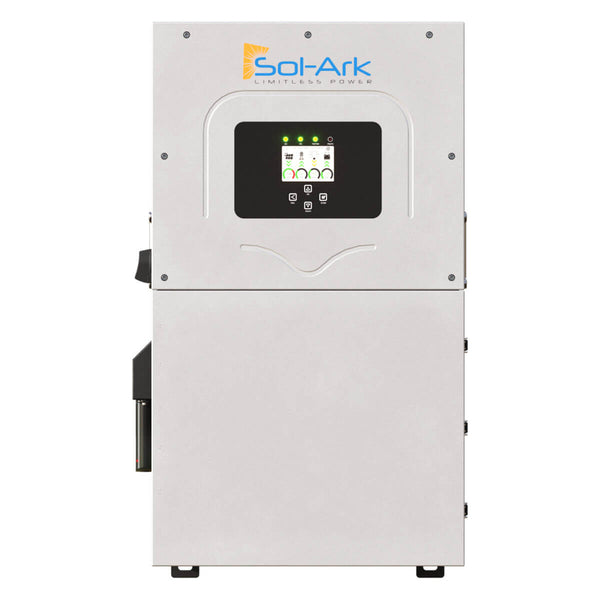
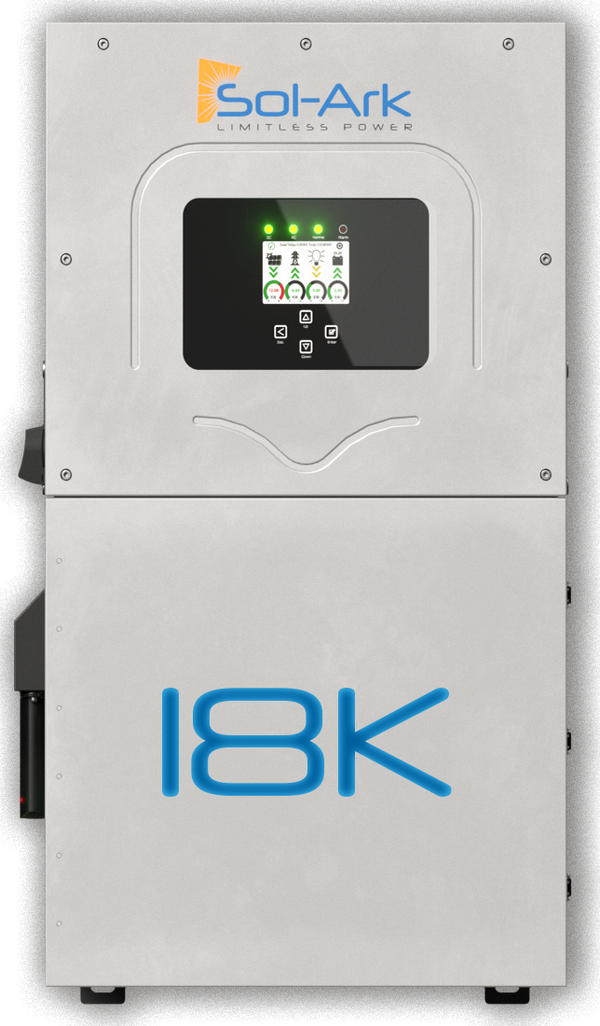
Sol-Ark 18K Hybrid All-in-One Inverter – 18K-2P-N
$8,949.70
Available to order
Shipping calculated at checkout
Equipment bundles
Solar, inverter and battery
Get one hour of personalized help with equipment selection, system questions, commissioning, or troubleshooting. Purchase your session, then use the scheduling link provided after checkout to choose an appointment.

A hybrid inverter connects your solar array, a battery bank and the utility grid so you can use solar, store energy and keep selected loads on during an outage. When the grid is up it powers your home and can send extra solar to the utility; when the grid goes down, a properly set up hybrid system with a supported battery can keep backed-up circuits running. Some models include the backup transfer hardware; others need an external backup or transfer device — check the manufacturer's spec sheet. Choose by battery voltage first (48V low-voltage or high-voltage), then how much you want to back up, how much solar you plan to connect, and whether you need a generator input.
Need another brand or a complete system list? Request a written quote. No grid connection at your site? See off-grid inverters instead.
| Model | Battery voltage | Continuous backup output | Grid passthrough | Solar input | Generator / AC-coupled input |
|---|---|---|---|---|---|
| Sol-Ark 12K-2P | 48V (43–63V) | 9,000W | See product page | 2 MPPTs, 12,000W usable, 500V max | Generator input with auto start; up to 9,600W AC-coupled |
| Sol-Ark Limitless 15K-2P | 48V (43–59V) | 12,000W at 240V | 200A | 3 MPPTs, 19,500W usable, 500V max | GEN port, up to 19,200W at 240V |
| Sol-Ark 18K | 48V (43–59V) | 18,000W at 240V | 200A | 3 MPPTs, 28,800W usable, 500V max | GEN port, up to 28,800W at 240V |
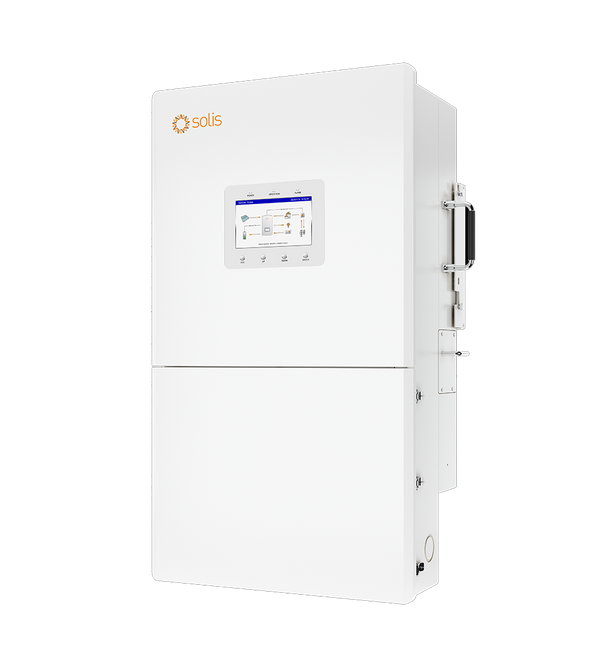
| Solis S6 16kW | 48V class (40–60V) | 16kW | 200A | 3 MPPTs, 25.6kW recommended max, 550V max | Smart port for a generator or AC coupling |
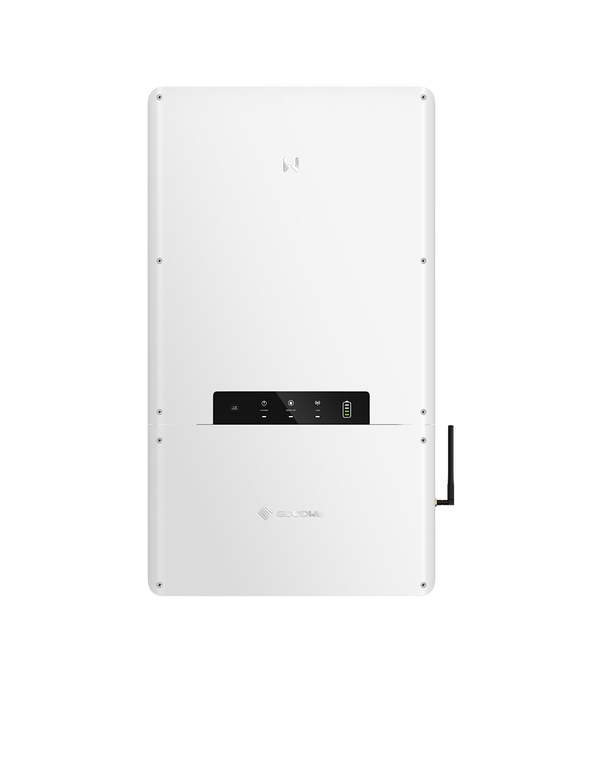
| GoodWe ES-US 11.4kW | High voltage (80–495V) | 11,400VA | Through GoodWe's Automatic Backup Device | 4 MPPTs, 17,100W max input, 600V max | Generator supported; GoodWe's manual requires an automatic transfer switch |
Specs are from each manufacturer's current datasheet. Check each product page for full details and current information.
Comparing inverter types? See all solar inverters, including grid-tie, off-grid and microinverters.
Yes, for the circuits it backs up, when it is set up with a supported, charged battery bank. Sol-Ark lists a 4 ms transfer time on the 12K-2P and 5 ms on the 15K-2P and 18K; Solis lists under 10 ms on the S6 16kW. The GoodWe ES-US needs GoodWe's Automatic Backup Device for backup, and GoodWe does not recommend backup without a battery. A standard grid-tie inverter without batteries or backup equipment shuts down when the grid goes out.
A hybrid is built to work with the utility grid: it can power your home from solar, batteries and the grid, and send extra solar to the utility where your utility approves the interconnection. An off-grid inverter-charger can take power from a generator or the grid to charge batteries, but it does not send power back. If your site has no utility service, see our off-grid inverters collection instead.
The Sol-Ark 12K-2P, Limitless 15K-2P and 18K and the Solis S6 16kW use 48V low-voltage batteries. The GoodWe ES-US 11.4kW uses a high-voltage battery in the 80–495V range. Battery chemistry differs too: Sol-Ark lists lead-acid or lithium for the 15K-2P and 18K and lithium for the 12K-2P, Solis lists lithium-ion or lead-acid, and GoodWe lists lithium-ion. Always check the inverter maker's battery compatibility list for your exact model.
Often, yes, through AC coupling: your existing grid-tie inverter feeds the hybrid's AC side, and the hybrid charges the batteries from it. Sol-Ark lists an AC-coupled solar input on all three of its models here, and Solis lists DC and AC coupling on the S6. Check the AC-coupling limits for your model. Our guide to AC coupling: adding battery backup to an existing grid-tie system explains the approach.
Yes. The Sol-Ark models have a generator input with two-wire automatic generator start, and the Solis S6 has a smart port that accepts a generator. GoodWe says the ES-US supports generators, and its manual says a system with a generator should also use an automatic transfer switch. Confirm the generator size and wiring for your model before you buy transfer equipment.
Yes. Send us the loads you want to back up, your electrical service, battery preference and planned solar array. Start with a written quote request or the battery backup system quote request form.