Disconnects & Breakers

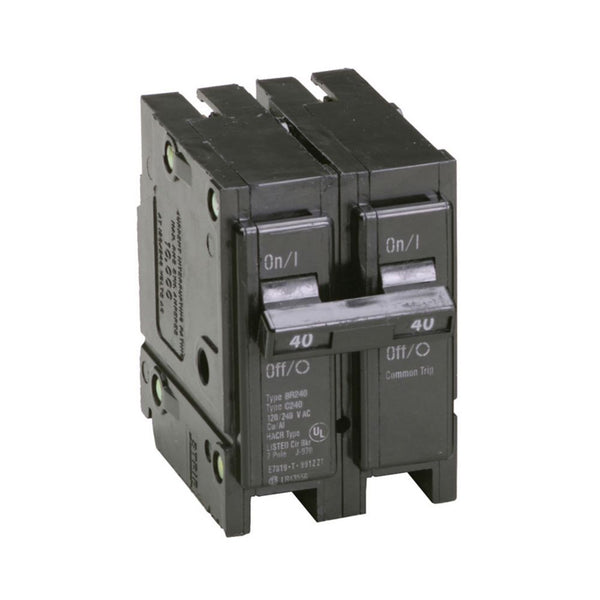
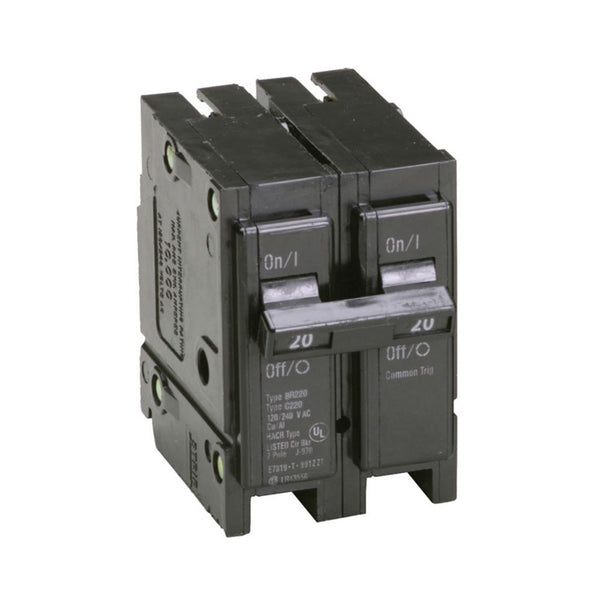
Disconnects and breakers isolate and protect the AC side of a solar or battery system. A safety switch (disconnect) gives you a lockable way to cut power to equipment; a circuit breaker protects a circuit from overload. Choose by amperage, voltage, number of poles, whether you need fuses in the switch, and (for breakers) the panel family they plug into. Always confirm the sizing with your inverter's installation manual, your local code and your utility.

Read more about Disconnects & Breakers

Need a panel for your BR breakers? See our Eaton load centers. Need a rating or brand we don't list? Request a written quote.

16 products

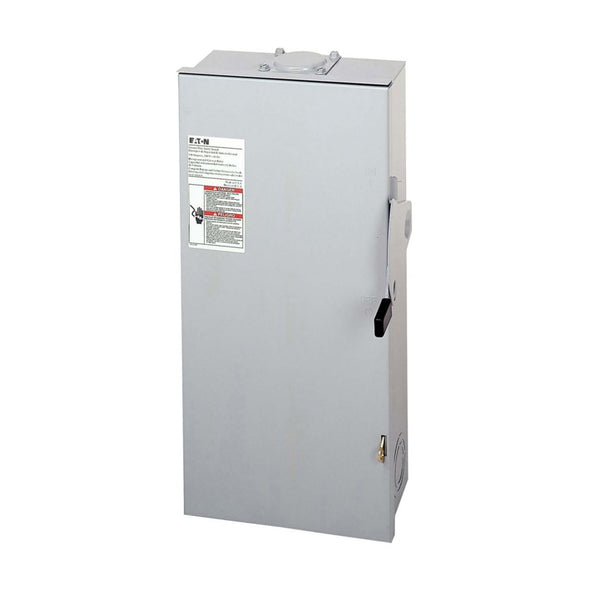
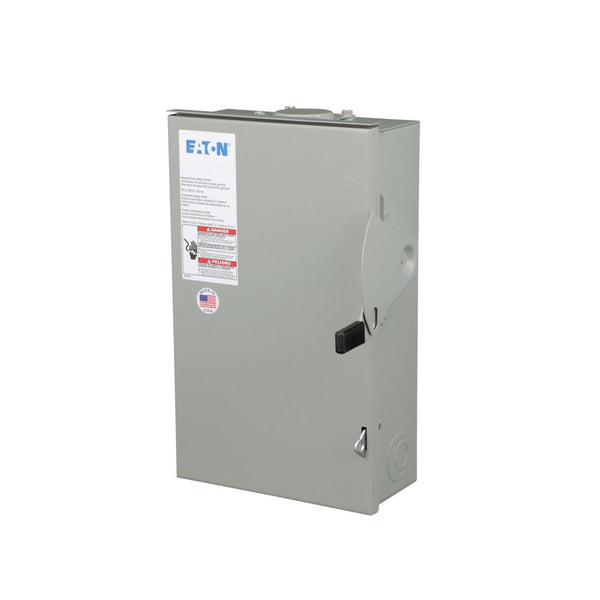
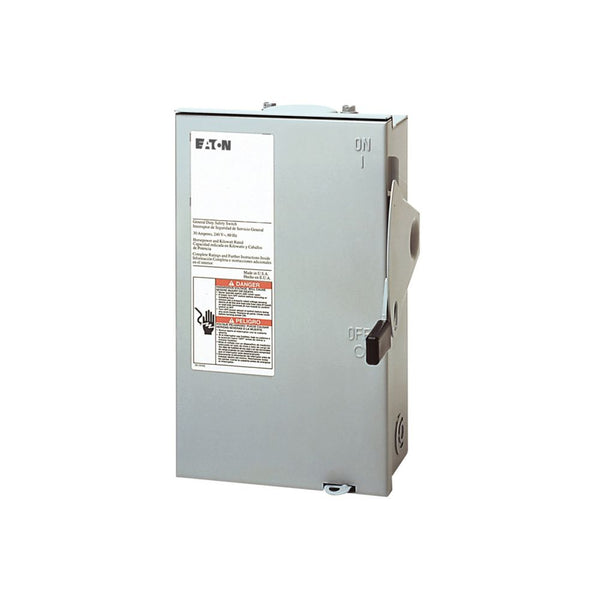
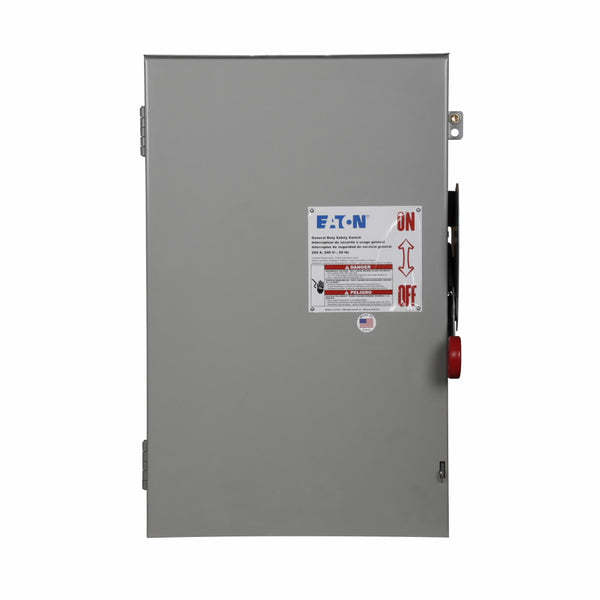
Fusible or non-fusible disconnect?

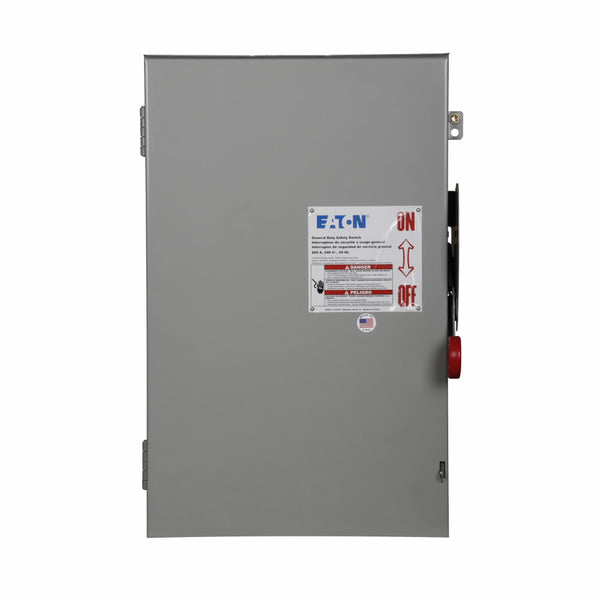
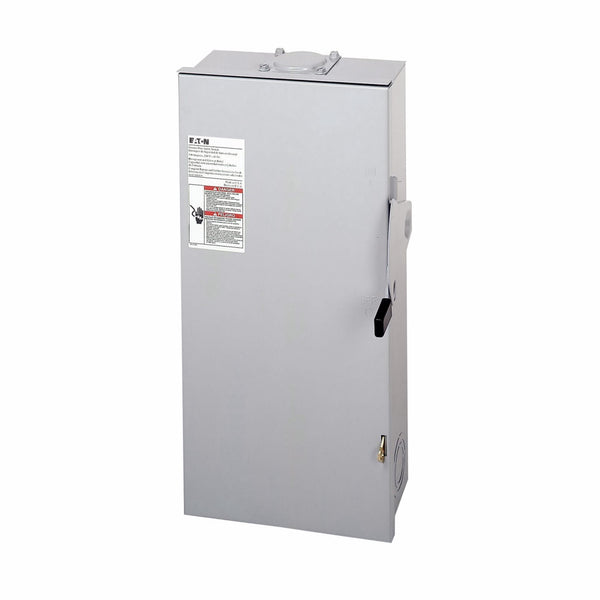
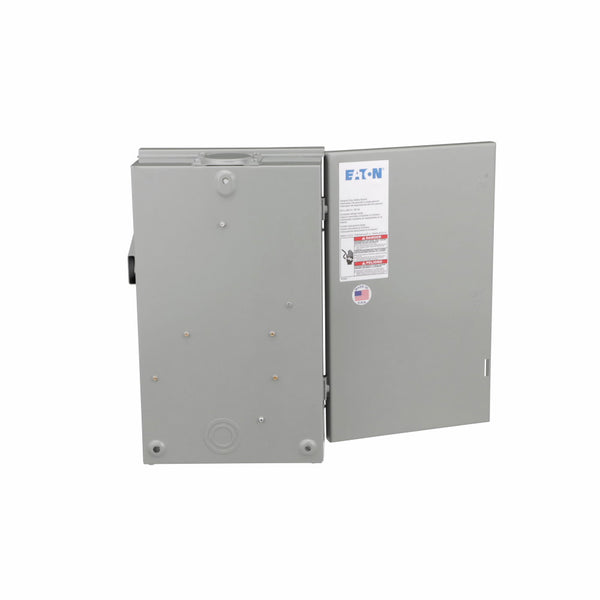
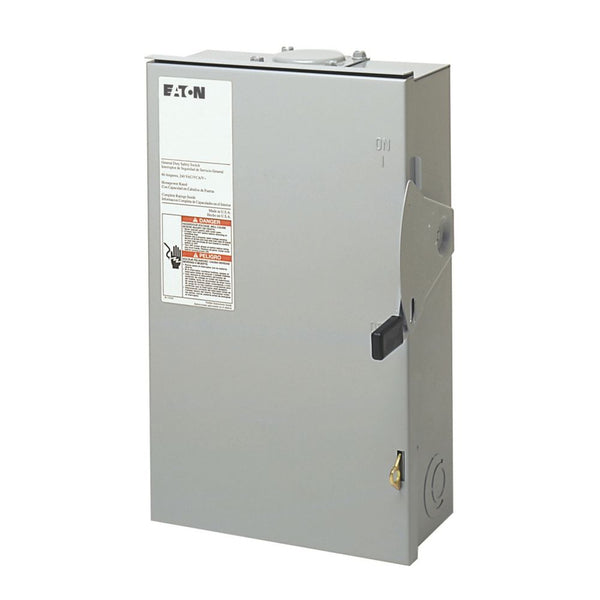
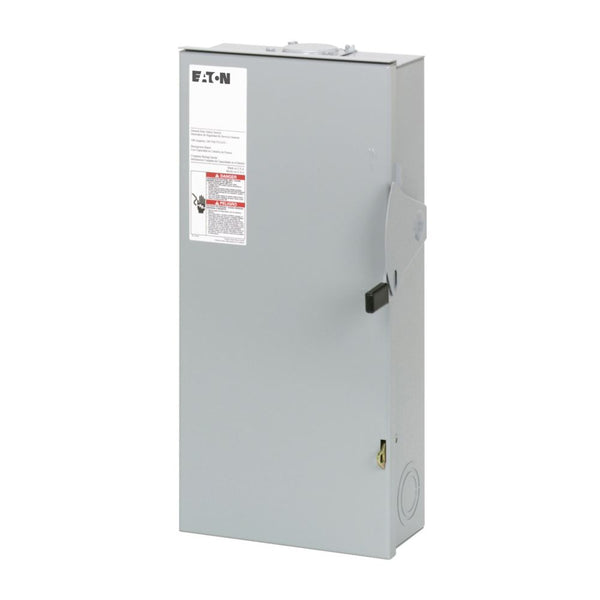
  • Non-fusible (unfused) safety switch: a lockable switch that isolates equipment but contains no fuses. Use it where the circuit is already protected by a breaker or fuses upstream, such as an inverter, heat pump or EV charger fed from a protected panel circuit.
  • Fusible safety switch: accepts Class H cartridge fuses, so it provides overcurrent protection at the switch itself. The fusible DG models listed here are "fusible with neutral". Fuses are purchased separately and must be sized for the circuit.
  • Two-pole or three-pole: two-pole switches suit single-phase 120/240V split-phase service, which is what most homes use. The three-pole models are for equipment or service that requires three switched poles. Check the equipment's nameplate and your plans before choosing.
  • NEMA 3R: rainproof for outdoor use when installed with the proper hubs and fittings per the manufacturer's instructions. It is not submersible and not a substitute for a weather-sealed enclosure in harsher spots.

Where disconnects and breakers fit in a solar system

  • Utility or AHJ-required AC disconnect: some utilities and jurisdictions require a lockable, visible-open AC disconnect near the meter for a grid-tied system. Ask your utility and local building department before buying.
  • Backfeed breaker: a hybrid or microinverter system connects to your main or sub panel through a breaker sized to the inverter's maximum AC output. The inverter manual gives the required breaker size and wire gauge, and the NEC and your panel's labeling set the backfeed limits.
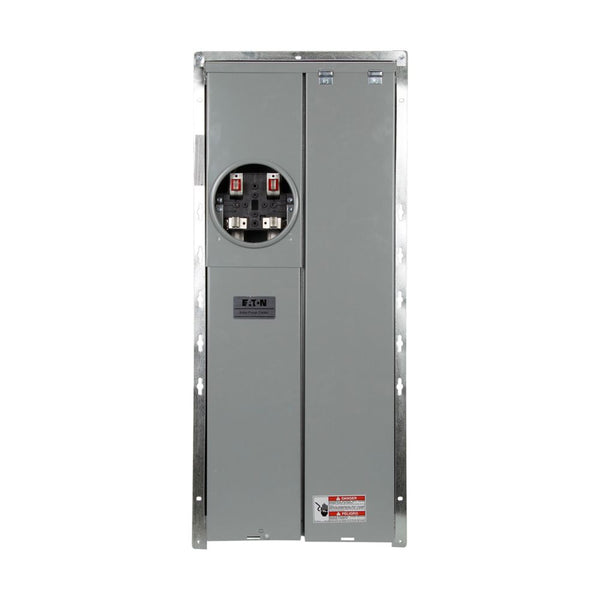
  • Solar-ready meter main: a combined meter and main breaker panel such as the Eaton MBE2040PV200BTF combines utility metering and a main breaker in one outdoor NEMA 3R assembly. Confirm utility approval (EUSERC and local utility lists) before ordering, and review Eaton's PV backfeed limits for the model.
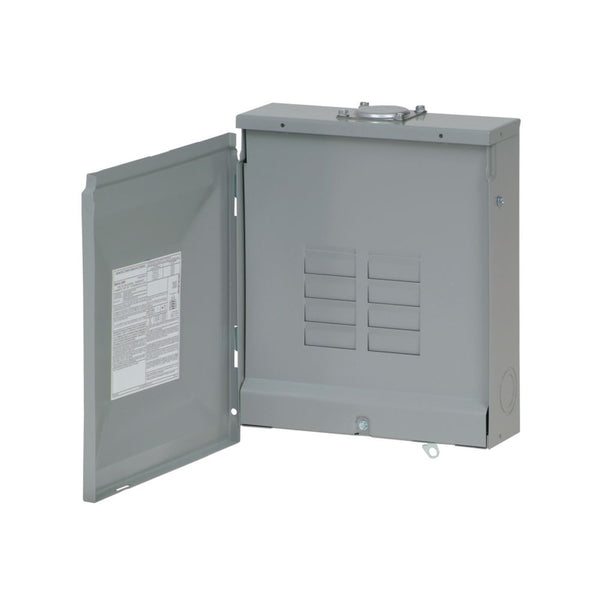
  • Subpanel: a main-lug load center such as the BR816L125RP has no main breaker, so the feeder must be protected upstream. Use only breakers listed for Type BR panels.
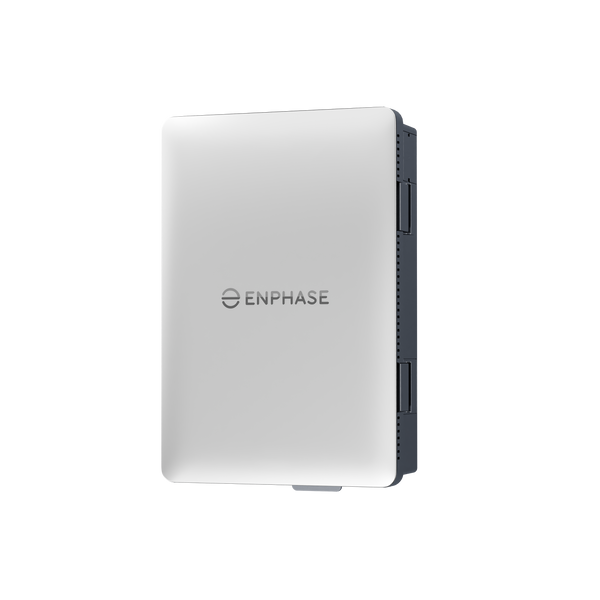
  • Enphase systems: an IQ Combiner collects the microinverter branch circuits; the 6C with pre-installed breakers ships with two 20A PV breakers and one 40A breaker for a battery circuit, so confirm those match your plan.

Choosing a breaker size

  • Start from the equipment, not the panel. The inverter, charger or load's manual lists the maximum continuous current and the required overcurrent device. Our inverter cable, breaker and fuse sizing table is a starting point for common inverters.
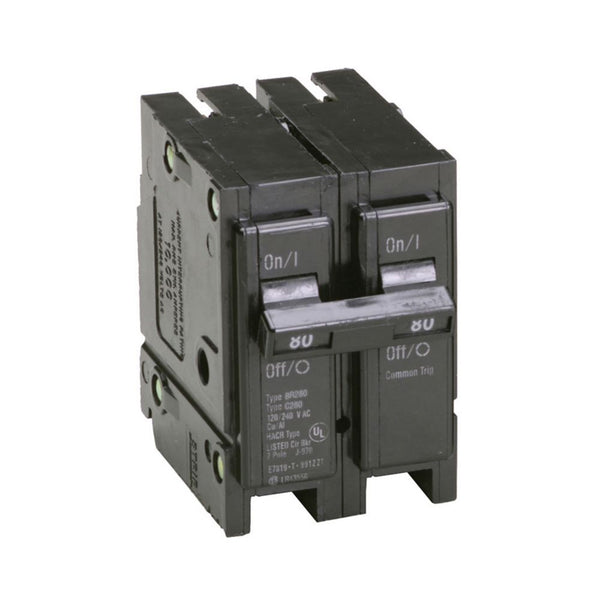
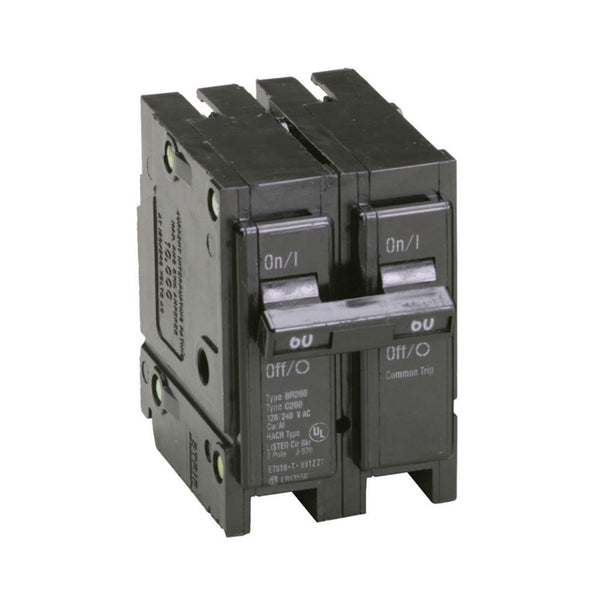
  • Match the wire to the breaker. The breaker protects the conductor, so the wire gauge and its temperature rating must suit the breaker amperage. The Eaton BR breakers here list terminal wire ranges on each product page.
  • Match the panel family. Type BR breakers plug into Eaton Type BR panels. Do not mix breaker families in a panel unless the panel's listing allows it.
  • Two-pole for 240V circuits. A two-pole breaker takes two panel spaces and switches both hot legs of a 120/240V circuit.
  • Interrupt rating (kAIC): the BR breakers listed here are rated 10 kAIC. Confirm available fault current with your utility or installer if the application calls for it.

DC-side protection (battery fuses, DC breakers and disconnects) is chosen differently from AC. See cable & wiring and solar batteries, and follow the battery and inverter manufacturer's fuse and breaker requirements.

Related parts

Disconnects & breakers FAQ

What is the difference between a disconnect and a circuit breaker?

A disconnect (safety switch) is a lockable switch used to isolate equipment. A circuit breaker is an automatic overcurrent device that trips on overload or a short circuit. A fusible disconnect combines a switch with fuses. Many systems use both: a breaker in the panel and a disconnect at the equipment.

Do I need an AC disconnect for a grid-tied solar system?

It depends on your utility and local jurisdiction. Some require a lockable, accessible AC disconnect near the meter; others accept the main breaker or an inverter's built-in disconnect. Check with your utility and building department.

What size disconnect do I need?

Pick a switch rated at or above the circuit's overcurrent protection and the equipment's maximum current, at the right voltage. The inverter or equipment manual states the required size; the 30, 60, 100 and 200A models here cover common ratings.

Do I need a fusible disconnect?

Only if the switch must provide the overcurrent protection. If a breaker or fuse upstream already protects the circuit, a non-fusible switch is typically used for isolation. Your plans, inspector or equipment manual will say which applies.

Can I use any breaker in my panel?

No. Use breakers listed for that panel. The Eaton BR breakers here are for Eaton Type BR panels, and some applications need hold-down kits or series ratings. Follow the panel's label and the manufacturer's instructions.

Do I need a professional to install these?

Yes. Work on service equipment and panels is hazardous, and permits and inspection are usually required. The product pages note that professional installation is required; follow the manufacturer's instructions and the NEC.

Can altE help me choose?

Share your inverter model, its maximum AC output, your panel brand and service size. Request a written quote or send a battery backup system quote request.